


How/when/where should I sell a watch?
It’s a question I get often. We talk a lot about buying watches, but not as much about selling them. And a time comes in every enthusiast’s life when you have to sell a watch.
This how-to guide is a supplement to this week’s podcast with dealer Wes Wynne of Collector’s Corner NY on How to Sell a Watch. Listen below, or subscribe to the podcast to get future episodes in your feed: Spotify / Apple / RSS:

It’s similar to last month’s How to Collect the Vintage Rolex Daytona
We discuss the who, what, when, where, why, and how of selling, including:
The players: From large dealers like 1916 Company or Analog Shift to niche dealers like Wes, along with platforms, marketplaces, and auctions.
When to consider selling vs. consigning, and the margins for each, with a few real examples. When do you need a consignment agreement, and how to get rid of the “dogs” in your collection?
What to ask a dealer, along with a few of our pet peeves and red flags.
A rough Chrono24 Rule for thinking about what your watch is actually worth.
Unpolished is the newsletter for watch collectors. To get all the good stuff behind the paywall today, join for $8/mo or $89/year:

When is it time to sell a watch?
It starts with a decision…
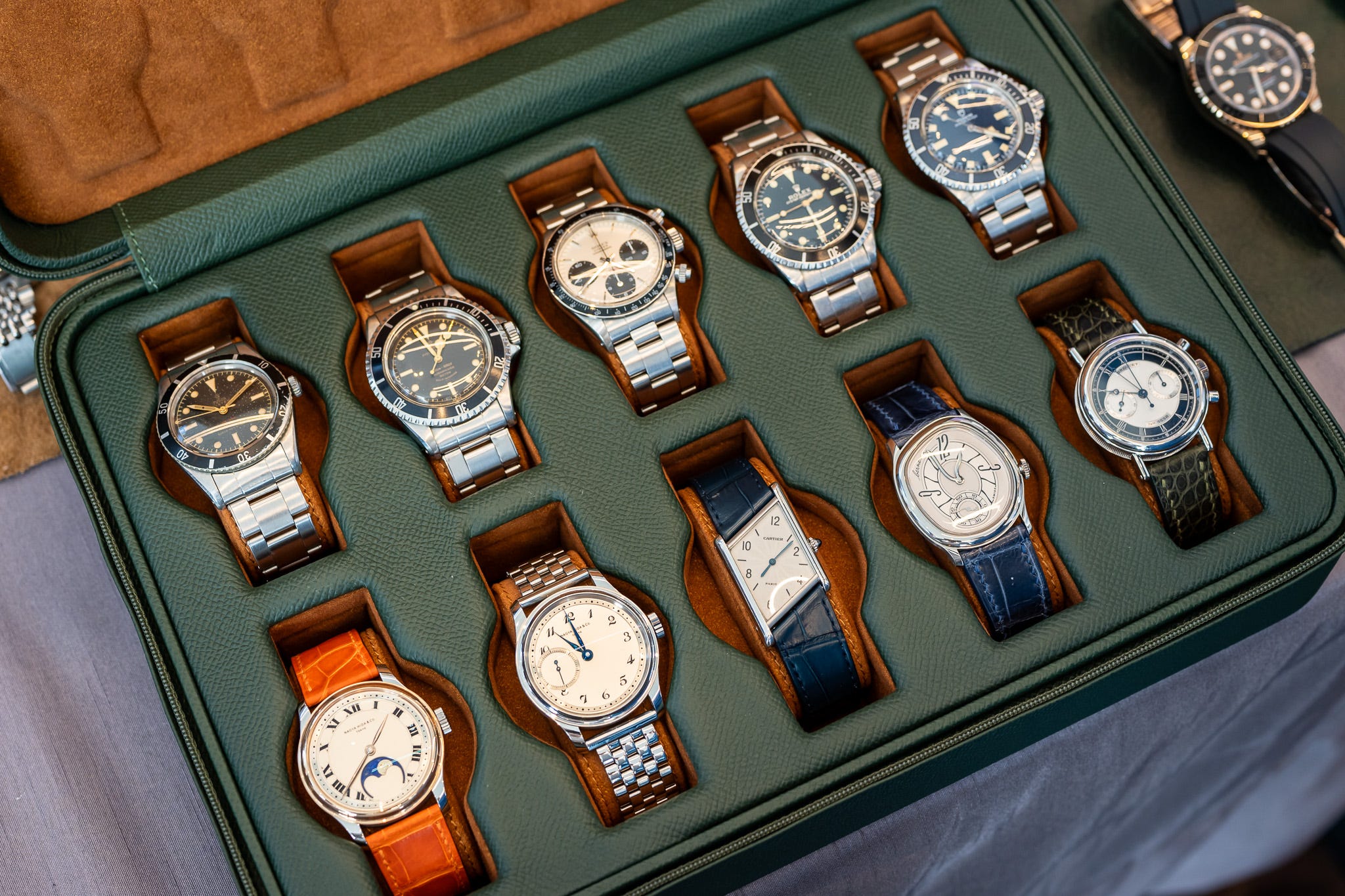
There are the emotional answers: You don’t feel connected anymore, or you feel like your taste has evolved. Perhaps you consult Unpolished’s Rules for Collecting and realize you really didn’t want that Railmaster after all.
There are also the more practical answers: You aren’t wearing it anymore; it’s time to consolidate or trade up.
When does the watch start owning you? Are you constantly worried about scratches, service bills, or wearing the watch in public?
A stab at an analytical answer, if you’re purely playing the market (which probably isn’t the most fun way to collect): When the market value far surpasses the personal enjoyment or utility you get from the watch.
That’s when it might be time for some “profit taking,” or realizing any gains and putting the money towards something else.
Never forget relative value and remember that, no matter how strong it seems, markets are cyclical.
Wes and I discussed how the neovintage Patek Philippe market is hot right now: If you zoom out, $100k might not be a great relative value for a white gold Patek 3940G perpetual calendar. If your cost basis is like half that, “it might be a good time to sell and buy something like a Zenith Daytona,” where prices have been softer.1
A small trick I’ll use: I pretend I have to sell a watch for whatever reason. Does it hurt my heart, or am I basically okay with it? If I’m already thinking about other ways to spend the money, maybe it’s time to move on.
Of course, there are all the other considerations that come with building a collection: Enjoyment, redundancy, changes in life circumstances, etc.
How should you approach a dealer?
So you’ve decided to sell a watch…it’s time to find a dealer.
“The dealer is interviewing you as much as you’re interviewing them,” Wes says. He added that a potential scammer approaches him at least once a week. You should have your guard up when approaching dealers, but they’ll have theirs up, too.
Wes says to reach out by email first and then get on the phone. “It gets a deal done quicker.” No one wants to be texting back and forth for weeks.
Trades can happen, but they often overcomplicate things.
Don’t offer a watch that’s not actually for sale. Don’t go to a dealer just because you want to see what your watch is worth, or because you want an offer to leverage against another dealer.
Don’t shop a watch around too much. “That can burn a watch.” There are all kinds of dealer WhatsApp groups, so once you fire off a few photos, assume they could be shared somewhere. The only thing dealers love more than selling watches is trading gossip—you can get a reputation fast. Of course, this is more important if it’s something rare or unique than for a run-of-the-mill 1016. Default to offering your watch to one dealer at a time.
Buy vs. consignment
A bird in the hand
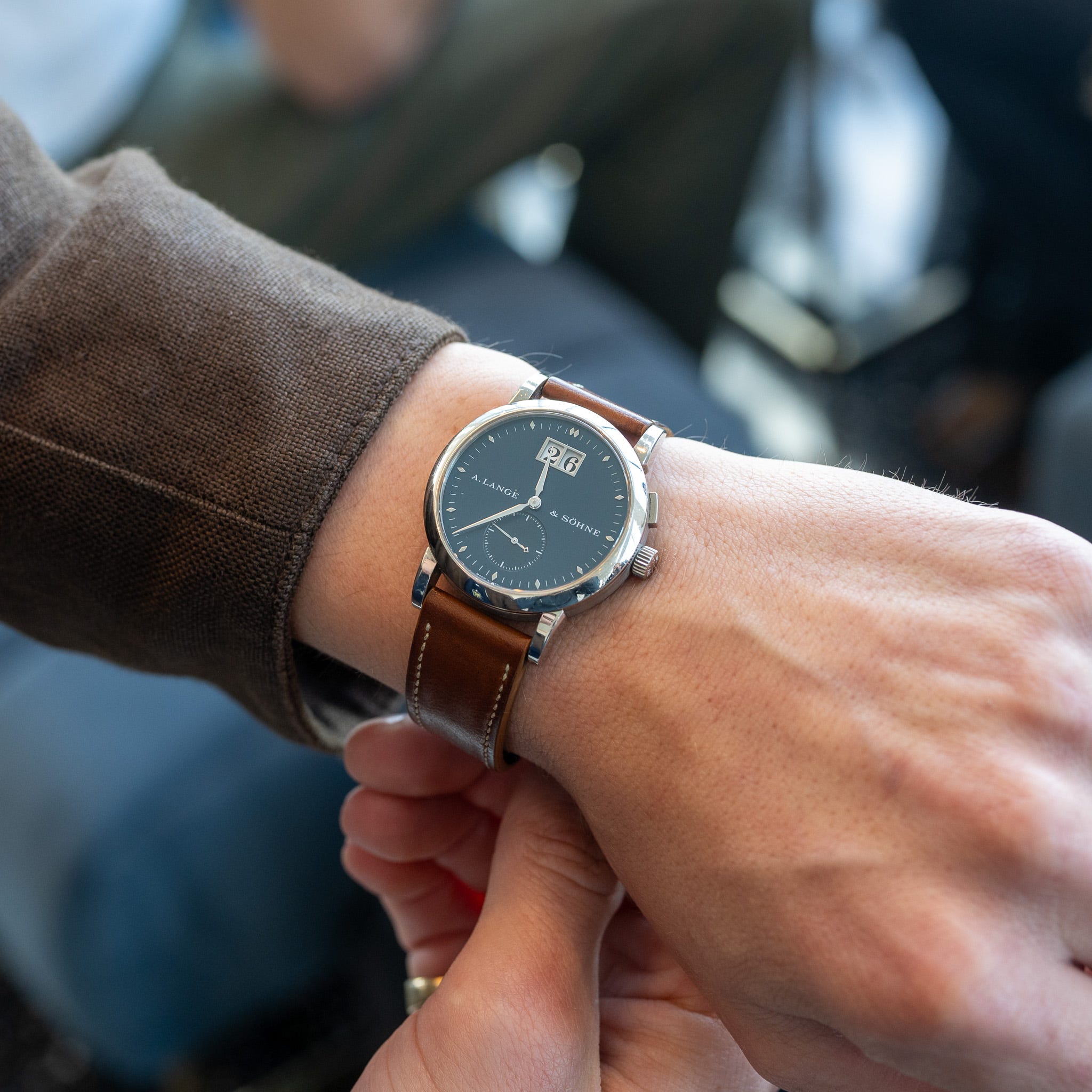
If a dealer agrees to take your watch, they might offer to buy outright or consign it for you. They may also give you a choice—most dealers have a combination of owned and consigned inventory. Here’s how to think about both options as a seller:
Consignment: Generally, the best way to maximize your take.
Many dealers have a standard 10% fee, with a sliding scale for higher-value watches. You can also agree on a minimum net—tell the dealer what you want to end up with in your pocket, and they list at whatever price they want.
Dealers (especially vintage) will offer a short inspection period. You’ll get paid out after it clears.
Selling outright gets money into your account ASAP. If a dealer’s buying, expect a label and quick payment after delivery and inspection.
I asked Wes to give us an example of buy vs. consign, so we used a Patek Philippe 3796J, the Calatrava from the 80s-90s. Here are the numbers he gave when we recorded on February 1, assuming good condition:
