


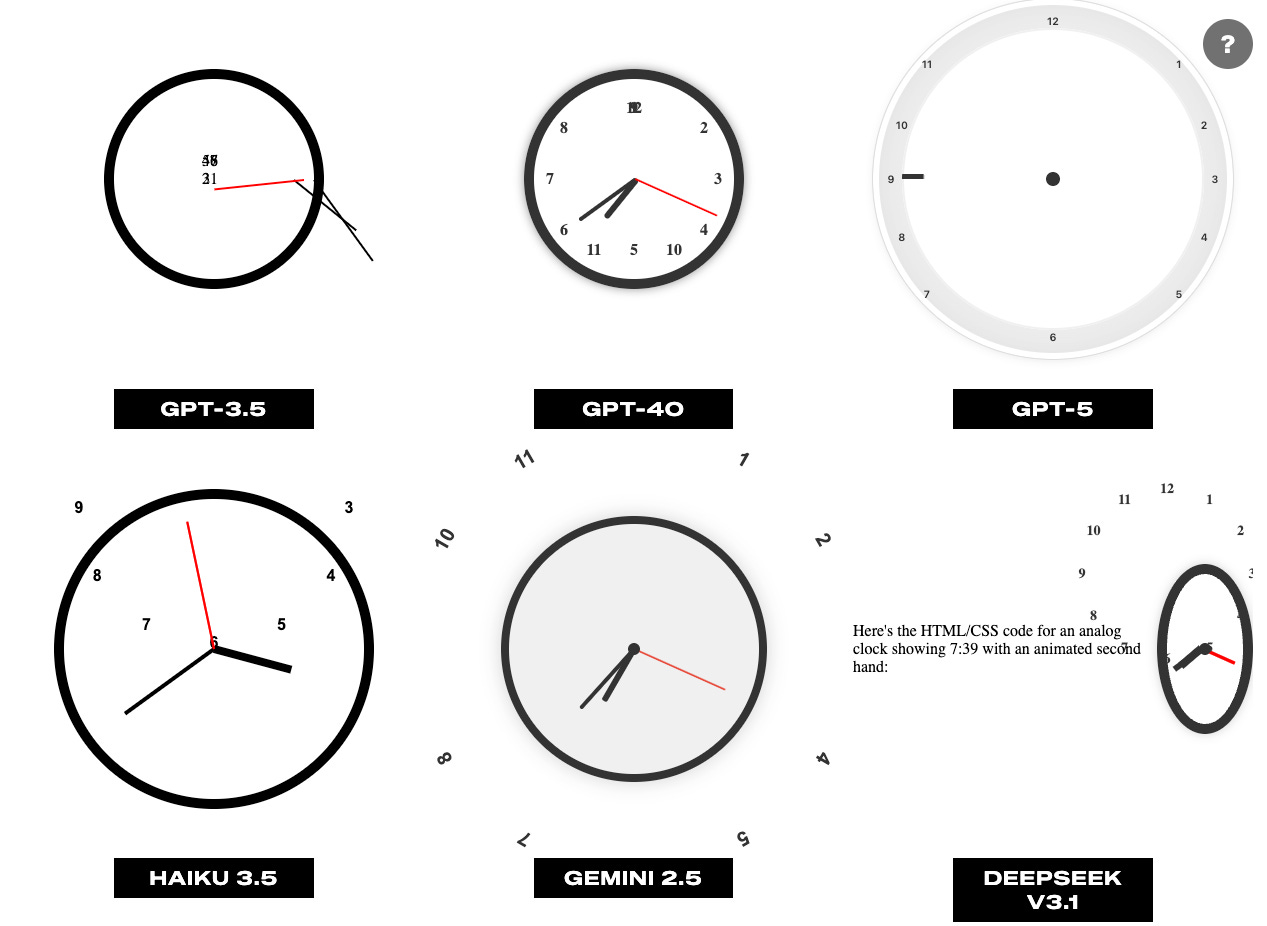
Good morning, and go Bears. It turns out AI kinda sucks at making clocks. This website prompts the large models to generate a clock for you. The catch: They’re not good. Part of the reason is thanks to the “10:10 problem”—most images of clocks and watches have the hands smiling at 10:10. For now at least, telling time is a very human thing:
A few quick hits before today’s main event about cases:
A Patek Philippe 3940 First Series perpetual calendar sold for $165k at a small auction in Florida earlier this week, continuing the upward trend for the neovintage QP, especially early ones.
A TAG Heuer cell phone popped up on eBay—one of my favorite artifacts from the early 2000s. Only 200 made.
The Economist had a long read about auctions and vintage watches. Nothing new for those who follow, but interesting to see coverage from a large outlet.1
Speaking of, this arrived in my inbox this morning.
Quick Study: Omega Seamaster Chronograph with the Caliber 321
I’m not really a Speedmaster guy. I can get behind straight lug cases like the newish First Omega in Space, and the modern “Ed White” with a caliber 321 is scrumptious. But the Speedmaster Professional just doesn’t sit right on my wrist.
This is too bad for me, as even the Mothership has said, “Come on, how can you call yourself a watch guy and not own a Speedmaster?” Oops!
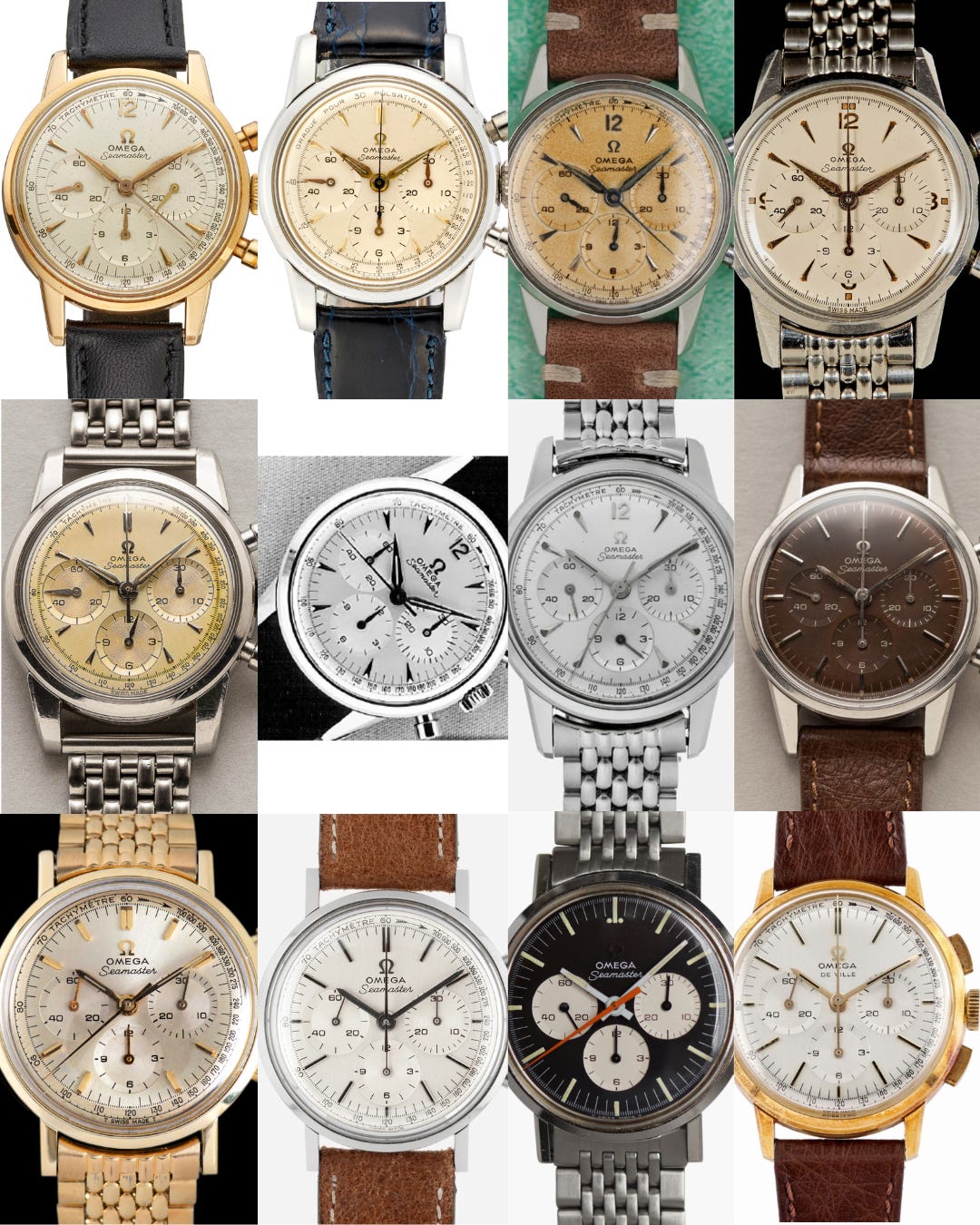
Perhaps giving into a deep-seated need to feel accepted, early in my journey, I stumbled upon the mid-century Omega Seamaster Chronographs as my “they don’t know” alternative. From the late 50s until the mid-60s, Omega used the cal. 321 in a range of Seamaster chronos. A common fresh-faced enthusiast mistake is to reduce a watch to only its movement, so off I went.

I’ve learned more since, if only a bit, but still love these Seamaster Chronographs—simple, dressy, and they happen to use one of the best movements ever. Some dealers and collectors have told me these used to be harvested or used as parts donors for Speedmasters. I don’t know if that’s still the case since vintage Speedmasters have fallen off. But if it is: Please, my poor Seamaster Chronos deserve better!
This isn’t a comprehensive guide, but a starting point to the 11 references I found that use the caliber 321. All measure ~34-36mm, but wear differently because of the various case and lug shapes. I couldn’t find a good guide to all of them, so started making my own. I cleaned it up to publish here:2


BROUGHT TO YOU BY PUSHERS.IO
Buying Watches Doesn’t Have to Be Sketchy
Direct access to vetted dealers, fair prices, and watches you actually want.
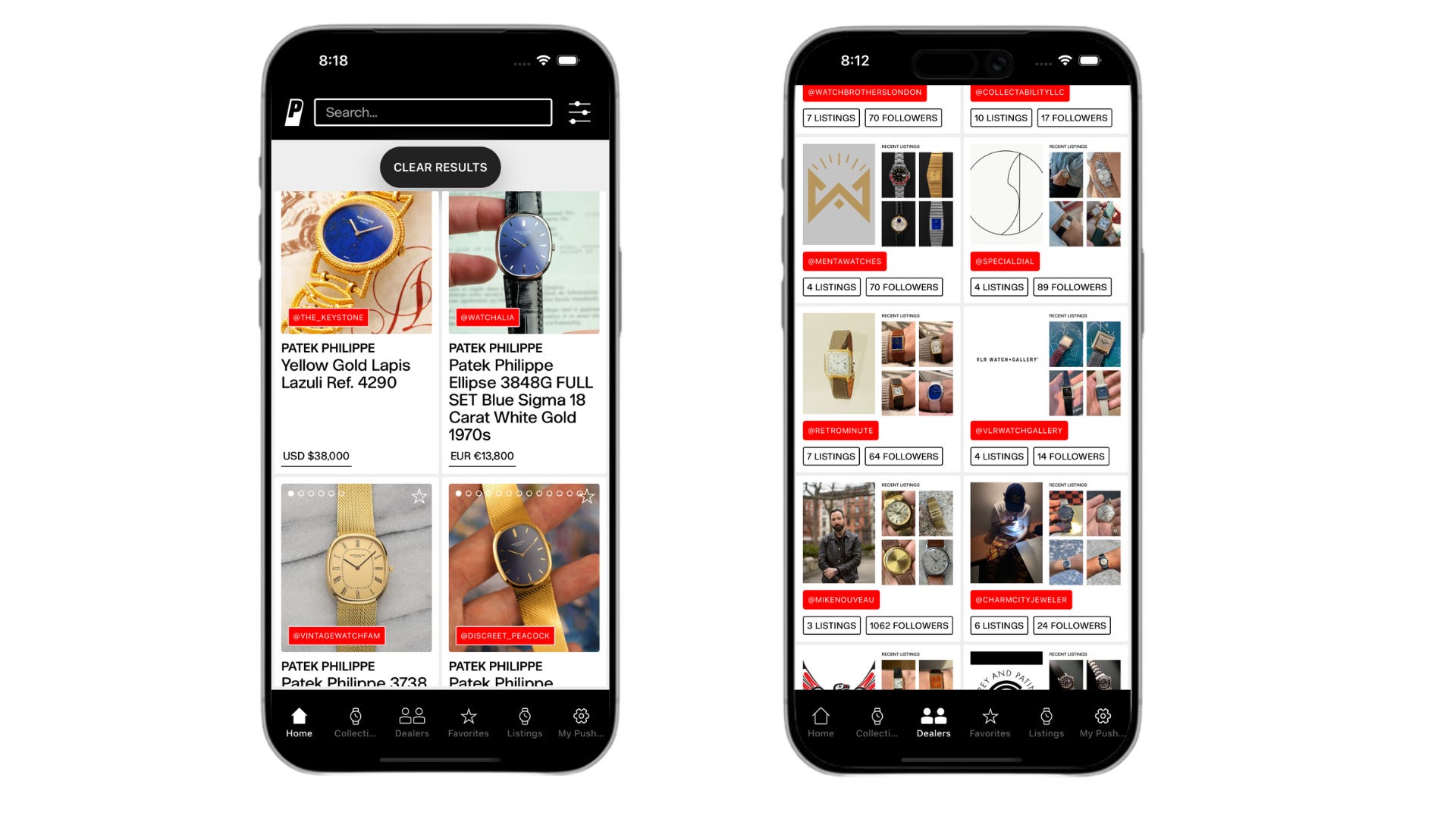
Pushers.io is the marketplace built for collectors. Every dealer is vetted (3 vouches minimum), and you deal with them directly through the app. No middleman, no buyer’s fees, no bullshit, and watches you actually want. Listings move fast, and there are new watches every time you open the app. Join nearly 10k watch enthusiasts and check out Pushers.io or download the app today.
A Theory of the Case
How we shifted from movements to dials—and what might be next
“Go back 10 years, and it was all about movements—everything had to be in-house,” says Nicholas Bowman-Scargill, Managing Director of Fears. In our chat for this upcoming week’s podcast, he notes that lately, the focus has shifted towards the dial.
“Five years ago, collectors wouldn’t have known their malachites from their hand-turned guilloché,” he says, referring to the trend towards stone dials and “hand-crafted” dial patterns. One way to spot trends: Listen to the jargon. Ten years ago, ETA or Sellita were casually dropped at RedBar meetups. Now, it’s chatter about whether a dial is stamped or CNC’d or engine turned.
Attention has moved from movements to dials. And Nicholas thinks we’re about to see another shift.
“Where I think we’ll see this go next is cases,” he says.
The case for the case
“To make a good case is shockingly difficult,” Nicholas says. A large proportion of what goes into a watch is often case engineering, prototyping, and testing. It’s not just finish and materials, but construction, curvature, ergonomics, and balance. Trying different 3D-printed plastic cases for months at a time.
We’ve already traded talk of diameter and thickness for “lug-to-lug” (“I always thought if you used that phrase with someone who’s not into watches, they’d call the police,” Nicholas says). Meanwhile, there’s the supposed trend towards smaller and shaped cases over the last few years.
But what if that’s less of a trend and actually getting at a deeper kind of shift?
Mistaking small trends for big trends
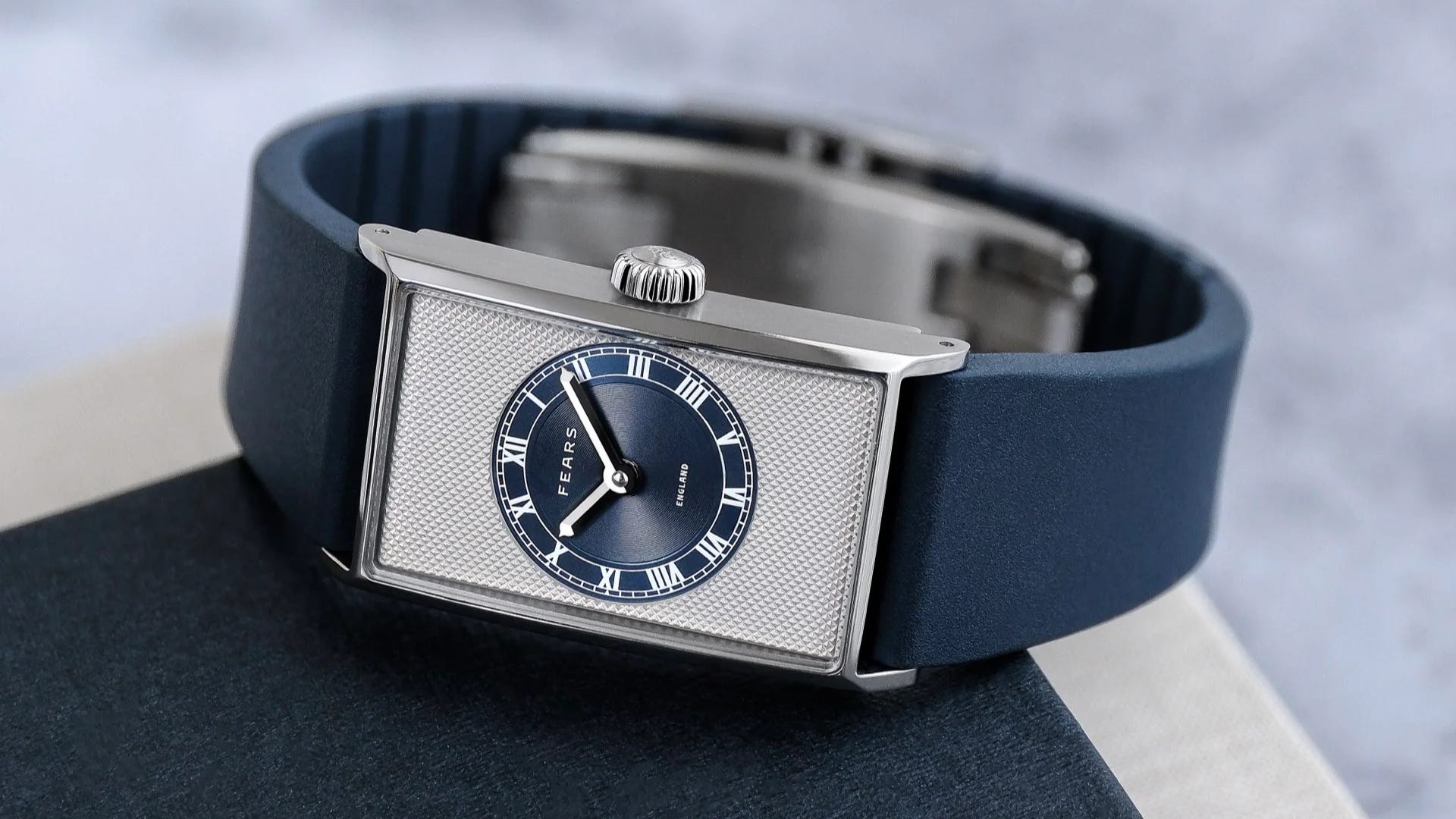
Here’s why I find Nicholas's “theory of the case” interesting: It suggests we’re mistaking a small trend (shapes) for part of a larger trend (caring about cases). It’s something I’ve written about before:
In the 70s, Nike thought it was riding the running trend to become the leader in athletic shoes. But really, running was part of a larger trend towards fitness and a more active lifestyle—a trend that continues to this day. Running was one way to do this. But so was aerobics. Then tennis, then whatever fitness fad came next (Thigh Master, anyone?).
Over the last few years, any talk about cases has focused on how they’ve gotten smaller and come in more shapes than a toddler’s block set. But most retailers will tell you the sweet spot for buyers is still 40-42mm. Still, more buyers seem to be paying attention to cases. How they look, how they wear, how they feel.
For Nike, running was just one expression of a broader shift toward fitness. Similarly, shaped cases might just be one expression of a broader shift toward case-centric collecting.
Look at vintage watches: Collectors have long hunted cases by suppliers like Wenger or Borgel, no matter if the dial says Patek Philippe or Movado. In recent years, much of the emphasis on “condition” has been on case condition. Does a case still have its original lines, bevels, and shape? Is it Unpolished?? Our eyes are still drawn to the dial first, but dial supremacy has been challenged by the case.
A good case
If the case really is becoming more important, it’s worth asking: What even makes for a good case? Here’s what Nicholas said:
“My absolute top line when it comes to cases: You’re not aiming to make it ultra slim, but you want to start from a place of how slim can we make this while still hitting water resistance, durability, things like that. That’s absolutely vital.”
Then, it’s about construction. Fears’ cases use a three-part construction—bezel, midcase, caseback (some brands use a two-part construction where the bezel is actually part of the midcase). I’ll save the additional nerdy bits for this week’s podcast.
These specs can be “like painting behind the radiator,” as Nicholas put it. A buyer might not consciously notice them, but they can feel the quality. It’s also what adds to a watch’s longevity, water resistance, and ability to be serviced or refinished.
“But I think most members of the public, and especially people who aren’t watch collectors or enthusiasts or know much about watches, they can tell when they pick up something, and it just feels quality,” he said.
The Return of the Établisseur
A couple years ago, I wrote about vintage Audemars Piguet watches not named the Royal Oak (they exist!). I asked Sebastian Vivas, AP’s Heritage and Museum Director, about how to become a more informed collector in this area.
He said that it requires understanding the structure of the Swiss watch industry. While AP is a more integrated manufacturer today, that wasn’t always true.
“Fifty or 100 years ago, [AP] was the établisseur, organizing the work of others – casemakers, dialmakers, straps, ebauche makers,” Vivas said.
Perhaps this focus on how cases are made, along with dials and movements before that, is itself part of a larger trend: Enthusiasts wanting to better understand how watches are made. Getting nerdy about watches for its own sake.
I asked Vivas then: We already have collectors of Stern dials, do you think we’ll see a day when we have collectors of certain casemakers?
“I hope that day comes,” he said.
Get in touch:
tony[at]unpolishedwatches.com
Instagram
Tap the heart ❤️ or leave a comment on your way out if you enjoyed this weekend issue.
A quick story: Almost exactly two years ago, I was in Mexico City when I got a call from an editor at The Economist. “What’s the deal with all this watches stuff I keep hearing about?” was the gist of the conversation. I specifically remember him asking if there was a good antagonist to hang a story on. I didn’t give an answer (I’m not doing your job for you, guys!) Of course, they found him.
This is how the first Rescapement/Unpolished articles came to be around 2019.
I think case making got a major spotlight last year with the passing of Jean-Pierre Hagmann. I know it spurred me to learn more about him and the overall case making process. I think a new focus on case construction and artistry would be a great pivot for 2026!
It'll be interesting to see where cases go. A dial can be done with a $180 pad printer bought off Amazon; for cases you're best not going much smaller than a FANUC Robodrill, which shares price, depreciation, maintenance and space utilization brackets with Mercedes Benz. Cases have been third-party piecework as a consequence, with all but the biggest brands either purchasing in quantity from machine shops or buying off-the-rack.
Or so it was, until the Chinese PCB fabs rolled out machining-as-a-service to go along with their on-demand metal printing and custom PCB fabrication. PCBWay, JLCPCB and Xometry all offer minimum-quantity custom 5-axis parts in stainless, titanium, bronze and a whole bunch of horologically-inappropriate materials. The bar for custom cases has been lowered - it remains to be seen if the industry can clear it.