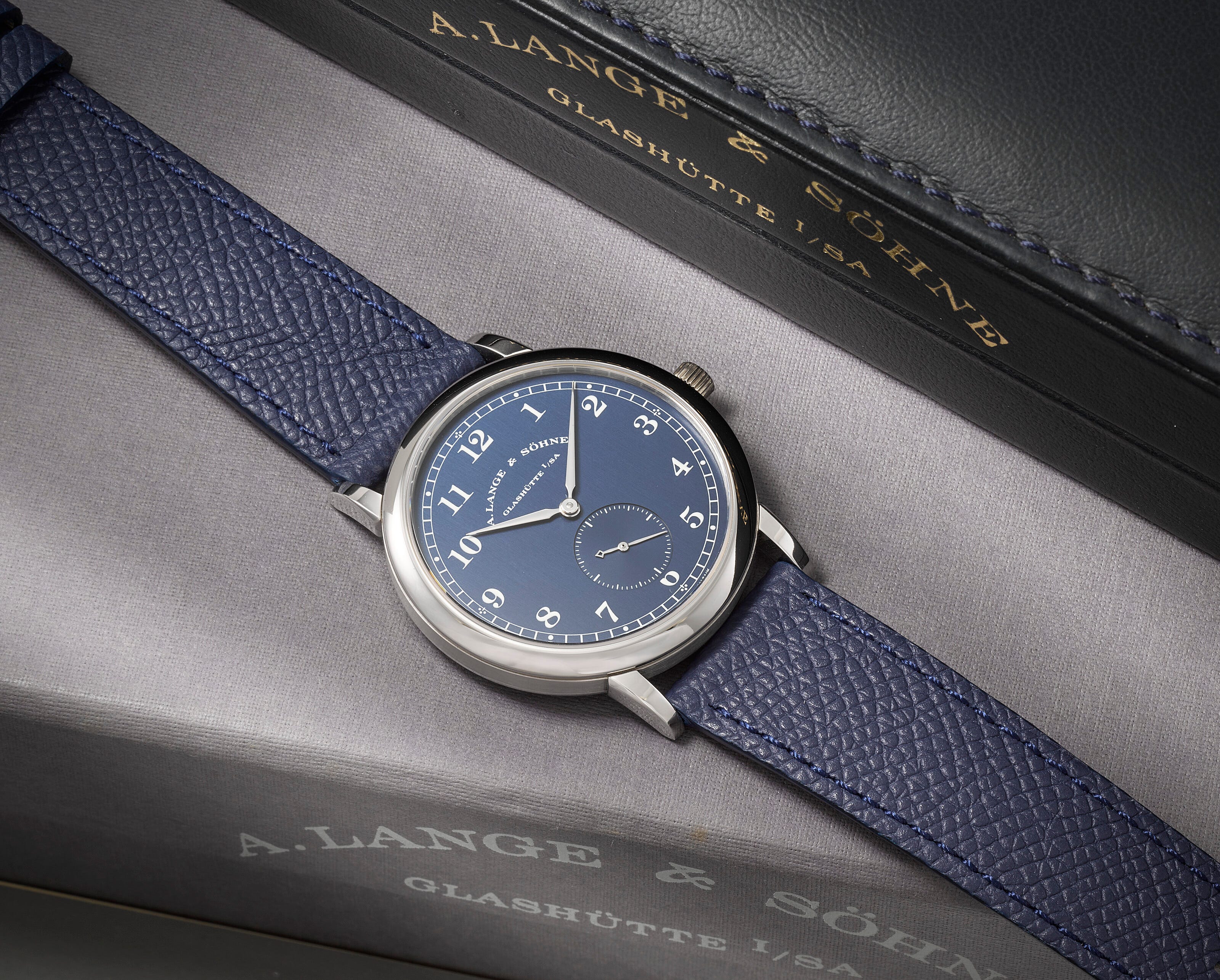
Look at the list of brands from Phillips Geneva’s November 2016 auction:
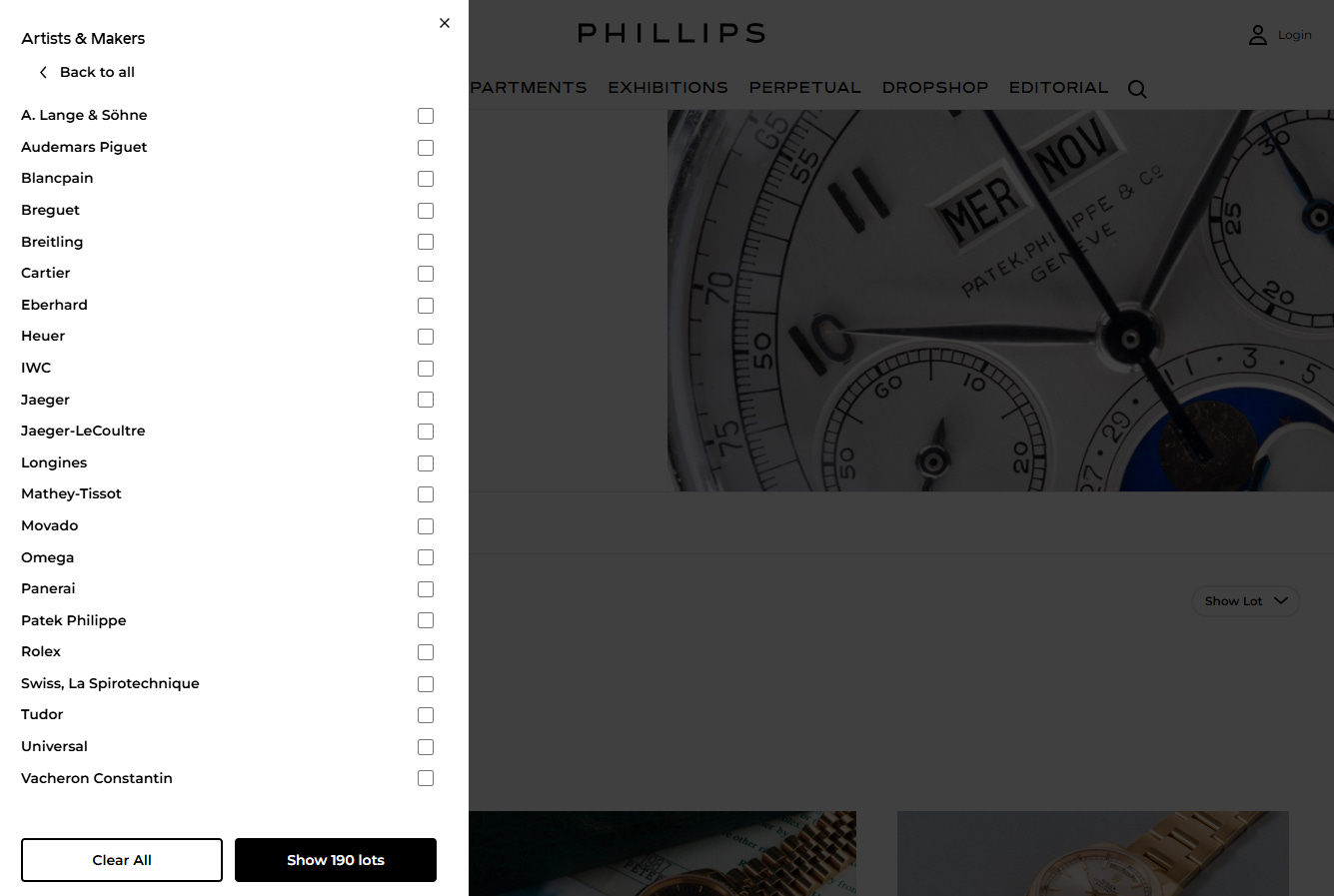
Ten years ago: Not a single modern independent.
A few weeks after that, the first three Philippe Dufour Simplicitys hit the auction market. They sold for about $250k each, and independents were off and running.
By 2021, indies represented 20% of Phillips’ Geneva catalog. The mix is about the same for this weekend’s sale (21%), though the names have changed. Richard Mille and Romain Gauthier have become Berneron and Sylvain Pinaud.
I’ll be in Geneva for a few days for auctions and GPHG this weekend. Like in New York, much of the focus will be on the indies.
There will almost certainly be breathless coverage of seemingly insane results—that Hagmann-case Franck Muller went for how much? The Pinaud Tourbillon crossed what? And that pink-on-pink Urbie Jurgie is worth that?
Meanwhile, a new raft of GPHG winners will have an inbox full of inquiries come Monday morning.
A few of you may think to yourself: My, I really should get myself an independent before this bullet train completely leaves the station.
So here’s my reminder: No, you don’t need to spend $100k on an independent watch.
Somewhere along the way, the lesson went from “Philippe Dufour (or George Daniels or FP Journe) is a generationally talented watchmaker whose vision should be appreciated” to “independent watchmaking is automatically good / better than those big groups.”
Sometimes, that’s true. Other times, it’s not.
👉 Unpolished doesn’t run brand ads. Members get: (1) Welcome Care Package; (2) 10% off the Unpolished Store; (3) $50 off a Watchcheck service + comments and Q&As. Benefits info HERE.
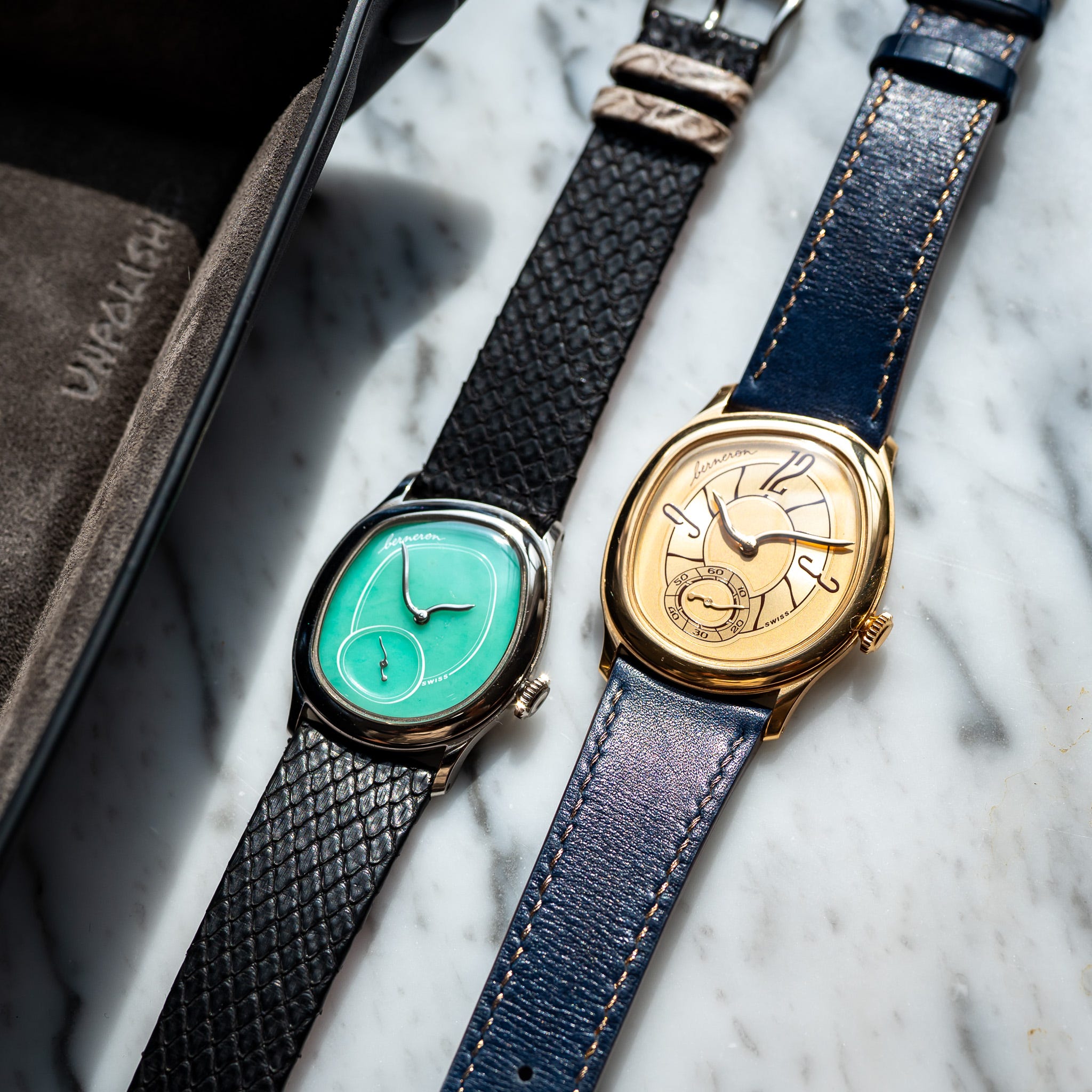
This is the part where I have to first confess that I admire, respect, and have even found myself inspired by some of these independent creators.
I once waxed poetically about Berneron, bordering on insufferability:
“The Mirage rejects the conventional notion of what a watch should be so that it can rebuild from first principles.
A modern watch isn’t for timekeeping, but the Mirage’s story starts from the inside and moves outward, understanding that asymmetry makes for a more technically efficient caliber. Only after reconsidering function does the Mirage let itself consider form.”
Two years later, I hardly know what any of that means, and it’s even harder to care when you’d have to wire a cool $500k to acquire a Mirage 38 and 34 pair to experience “rebuilding from first principles.”
But it shows how indies can stir something within us that big brands rarely achieve. However, appreciating that is very different from understanding the current frenzy.
A few weeks ago, I co-moderated a panel with Max Büsser of MB&F, who said something similar to what he shared in this interview:
“Most people don’t understand that being an independent in the 2000s and 2010s was horribly difficult for all of us. There was no light at the end of the tunnel, but we still chose to enter it, because walking into that tunnel was the price you paid to be free.”
The struggling artist. The price of freedom. The watchmaker who could never survive at a bench at one of those stifling luxury brands. The creator who has an idea they just have to express in a tiny concoction of springs, gears, and metal.
Now, the indie market is its own beast. First pause to remember that there literally was no market 10 years ago, just a few clients dumb enough to buy something called a Chronomètre Bleu and hope not to take a bath on it. Indie market was nearly a contradiction in terms.
Here’s how dealer Eric Ku describes it now, in a recent comment on my Instagram:
“The indie market has become a highly manipulated derivatives market. Johnny-come-lately watchmakers who render or prototype one watch start taking orders for deliveries years in the future into the hands of speculators trying to invest in ‘the next’ Rexhep or Dufour. What happens to second- or third-tier indies when speculators leave the market for Ebel?”
I guess we’ll see? I mean, people are already asking $40k for an Ebel Voyager that I swear to god is a two-grand watch, if you’re rounding up.
Independent of what?
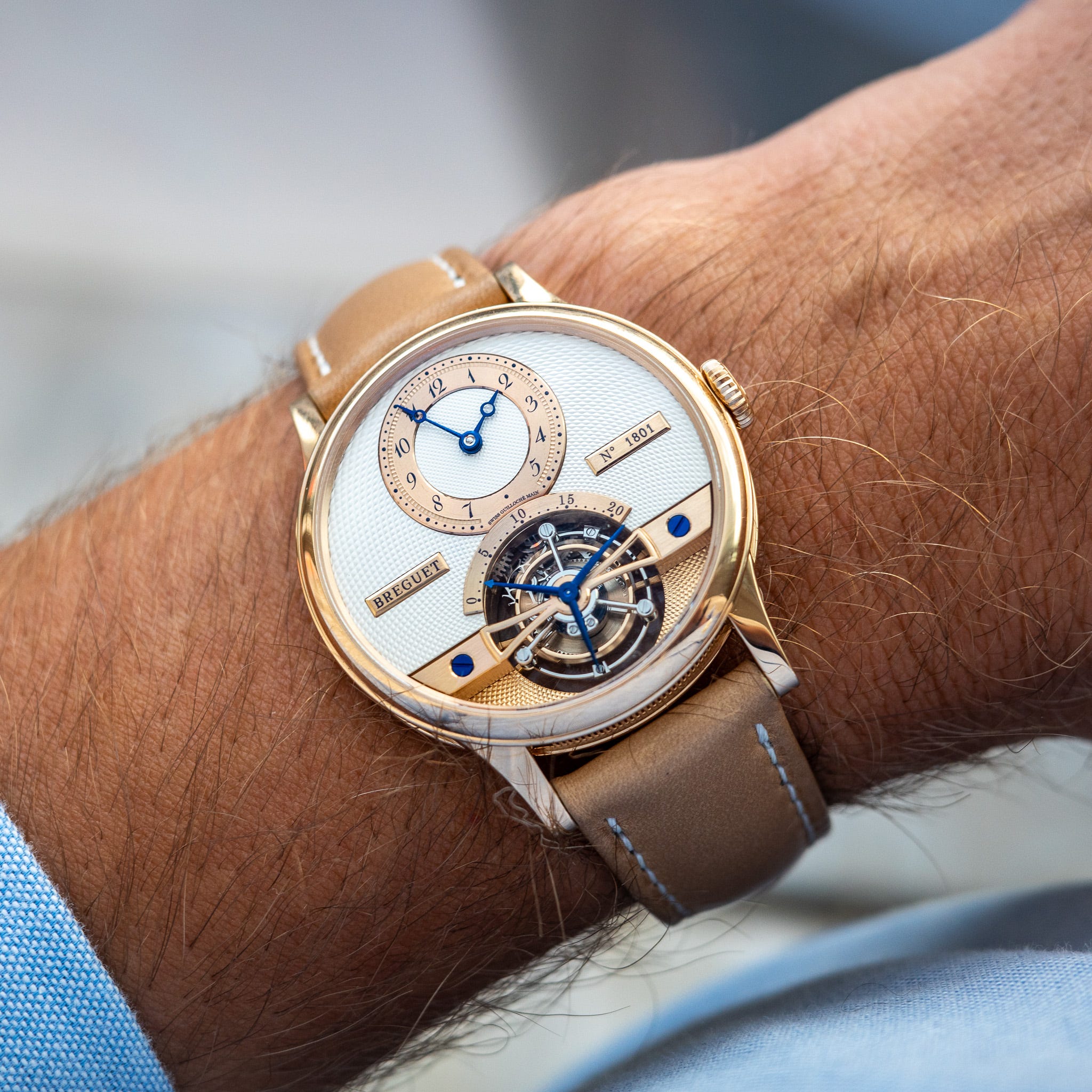
The idea of an independent went from a meaningful distinction to a launch strategy. Here’s how Brandon Moore recently put it in an excellent piece for SJX:
“The boundaries between corporate and independent watchmaking are less distinct than the labels suggest. Major brands have significantly narrowed the gap in tangible quality, while the maturing ecosystem of specialist suppliers has introduced a degree of sameness amongst independents.”
His point is that artisanal watchmaking within some groups—Lange (Richemont), Louis Vuitton’s Fabrique du Temps, Seiko’s Micro Artist Studio, Chopard’s Ferdinand Berthoud—is arguably underappreciated compared to their indie counterparts.
Zenith is merely the latest brand wanting to join the ranks of the industrial artisan, or maybe it’s the artisanal industrialist.
In fact, independent can even be a contradiction. When a young watchmaker goes solo, they’re left without the resources of a larger group, often becoming more reliant on external suppliers.
It’s why independents can become suppliers themselves: Kross Manufacture, Journe’s Les Cardraniers or Voutilainen’s Comblémine (dialmakers), even Rexhep Rexhepi’s enamel workshop. This, by the way, is what true “independence” looks like.
More informally, there’s a support network among friends. When I visited Gregory Proz, he emphasized that Rexhep often provides components he needs.
Much like brand or secondary-market value have been used as shortcuts to some indicator of intrinsic quality, now the very label independent is, even though it tells us very little about how the watch is being made.
As Brandon concludes:
“The resources devoted to an individual watch matter more than the ownership structure.”
The term “independent” has been emptied out, and an empty word is exactly what a speculative market thrives on. There’s no test to fail and no definition to fall short of, so the claim can never be wrong—and the price can go wherever it wants.
It’s easy to blame some combination of auctions, paid-for influencers/creators/collectors (is there a difference anymore?) who are often partially compensated via access or allocations.
But mostly, it’s our innately human, or at least our innately capitalist, desire to hop on what’s next and profit from such soothsaying.
I can’t tell you the number of times I’ve heard this sentiment from enthusiasts over the last 12-18 months:
Yea man, I started collecting vintage Rolex, then got into 90s Patek Philippe, then I even bought a Lange, but I dunno, I just feel more and more drawn to independents nowadays.
As if this is some wholly original journey of personal discovery and taste, unimpacted by all those Journes and dollar signs that have been burned into our retinas from mainlining the algorithm like a drug à la peak Franck Muller.
It’s this primordial soup in which a young watchmaker with a two-year apprenticeship at Akrivia and a piece of gentian wood from the forests of the Vallée de Joux can post a render with the caption “My Dream / My Vision / My Watch,” and a CHF 80k price tag (only divulged via DM, of course), and have a line longer than Windup New York by the time he wakes up the next morning.
“My Dream” invariably has three hands, plenty of internal angles, and more polish than a politician, with some of that movement finishing tastefully exposed dial-side like one of those Sydney Sweeney ads.1
There’s been an instinct to blame the watchmaker for this state of affairs where watchmaking looks mostly backwards towards its artisanal past. Eric even kinda does it above.
But let’s be honest: It’s our fault.
Us, the ones who wanted a Rexhep, then a Brette, then a Petermann Bédat, then a Berneron, but not until we’d seen enough social proof of each.
So now we want to hop on the next one. Maybe we actually want the watchmaking, but it’s hard to know with all the dollar signs obscuring our vision.
Auctions especially have become an open marketplace where all those K-shaped millionaires and billionaires can trade cash for access. Everyone in between—the auction houses, dealers, media, even collectors—cheers it on because they benefit, in ways direct or indirect.2
A robust indie market is good for all of us. Perhaps harder to source, but easier to authenticate. No pesky is that a period-correct mark 1 bezel? questions; no Perezcope hit pieces.
And the rarity is known. For “collectors,” that’s what it’s all about. We know there are 20 Souscription Resonances. Any idea how many Paul Newman Daytonas there are?
Me neither.
What to buy instead, if you must