


Good morning, and let me be the last to wish you a happy 2026. Today’s newsletter is about collecting and making resolutions. But first—
Become a paid subscriber by the end of today to be entered into our holiday giveaway: 11 different winners will get: (1) an Unpolished/Veblenist Valet Tray, (2) 2 Farr + Swit Retro digital watches, (3) 2 Unpolished hats, or (4) 6 straps, one of each color and lug width for the Canvas and Calfskin offered in the Unpolished Store.1
Upgrade or manage your subscription here.
Check out the entire Unpolished archive online, including last week’s popular 2026 predictions issue:

The Roundup
🧊 Does anybody really know what time it is? “It was Sunday afternoon, our second day at sea on an expedition to Antarctica, when the announcement came: At 9 p.m. that evening, our ship would become a time machine.” Jumping across time zones in Antarctica. (NY Times)
🇯🇵 From Rolexes to iPhones, “used in Japan” gains global cachet. “Shoppers hunting for secondhand products ranging from luxury handbags and watches to rare trading cards are increasingly turning to Japan, lured by the weak yen and the pristine condition of many of its used items.” On Chrono24, more Japanese listings are listed as in “very good” condition than any of its other large markets. (Nikkei)
Rolex Tries to Beat Watch Flippers at Their Own Game. “Rolex is likely only breaking even on its official secondhand watch program. That looks intentional. Leaving profits on the table protects the brand’s reputation while it tries to put flippers out of business.” (WSJ)
🕰 Seth Atwood, the collector who put Rockford, Illinois, on the map. A profile of the Time Museum. (Watches by SJX)
🌲 Making a clock using Bristlecone time. What does time mean to a tree that measures it in millenia? Watch and clockmaker Brittany Cox makes a clock using “bristlecone time.” (YouTube/The Long Now Foundation)
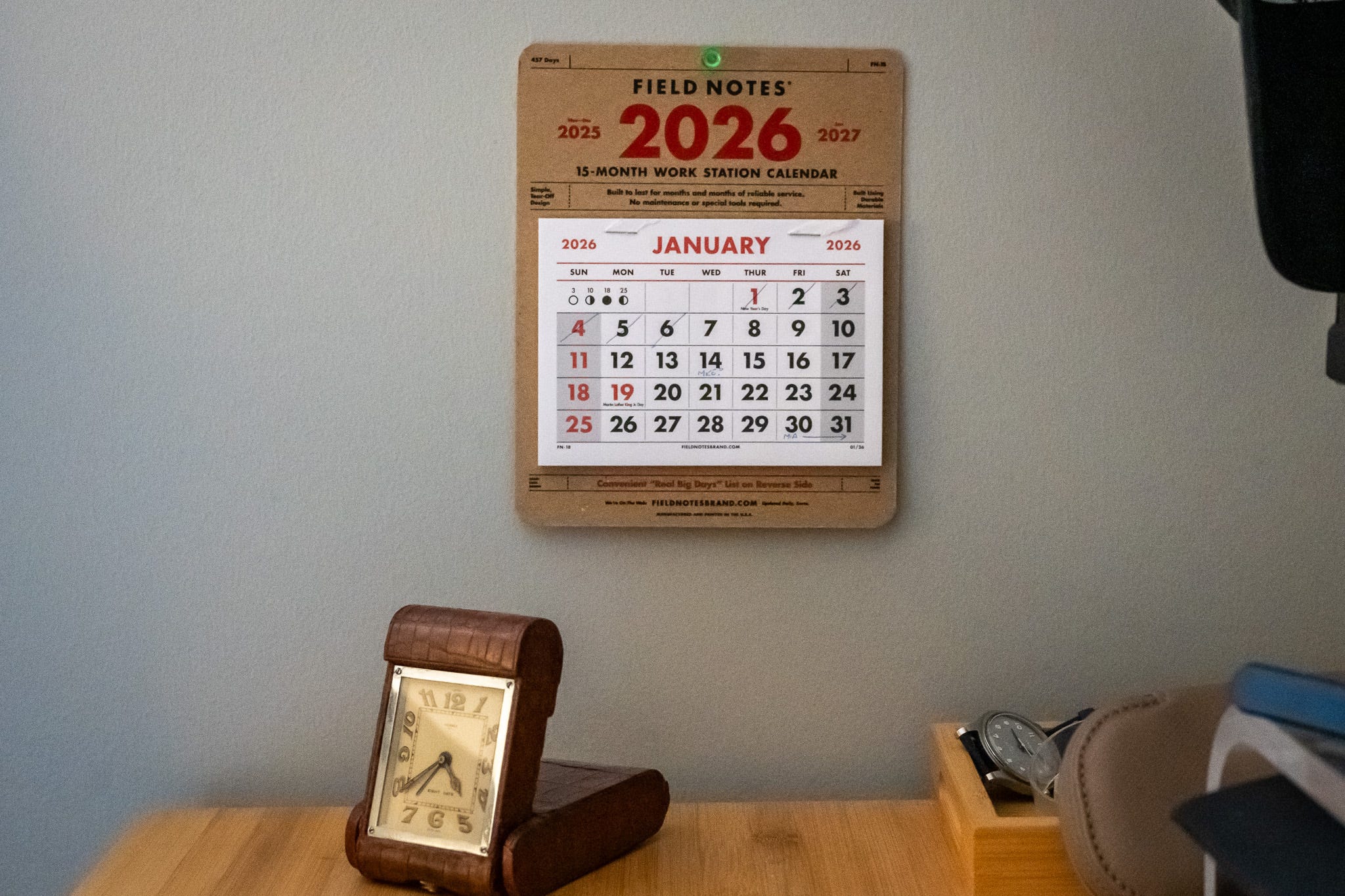
My favorite annual calendar. Field Notes is a cool Chicago brand. I enjoy their pocket-sized notebooks and their annual Work Station Calendar, which hangs next to my desk:

BROUGHT TO YOU BY PUSHERS.IO
Buying Watches Doesn’t Have to Be Sketchy
Direct access to vetted dealers, fair prices, and watches you actually want.
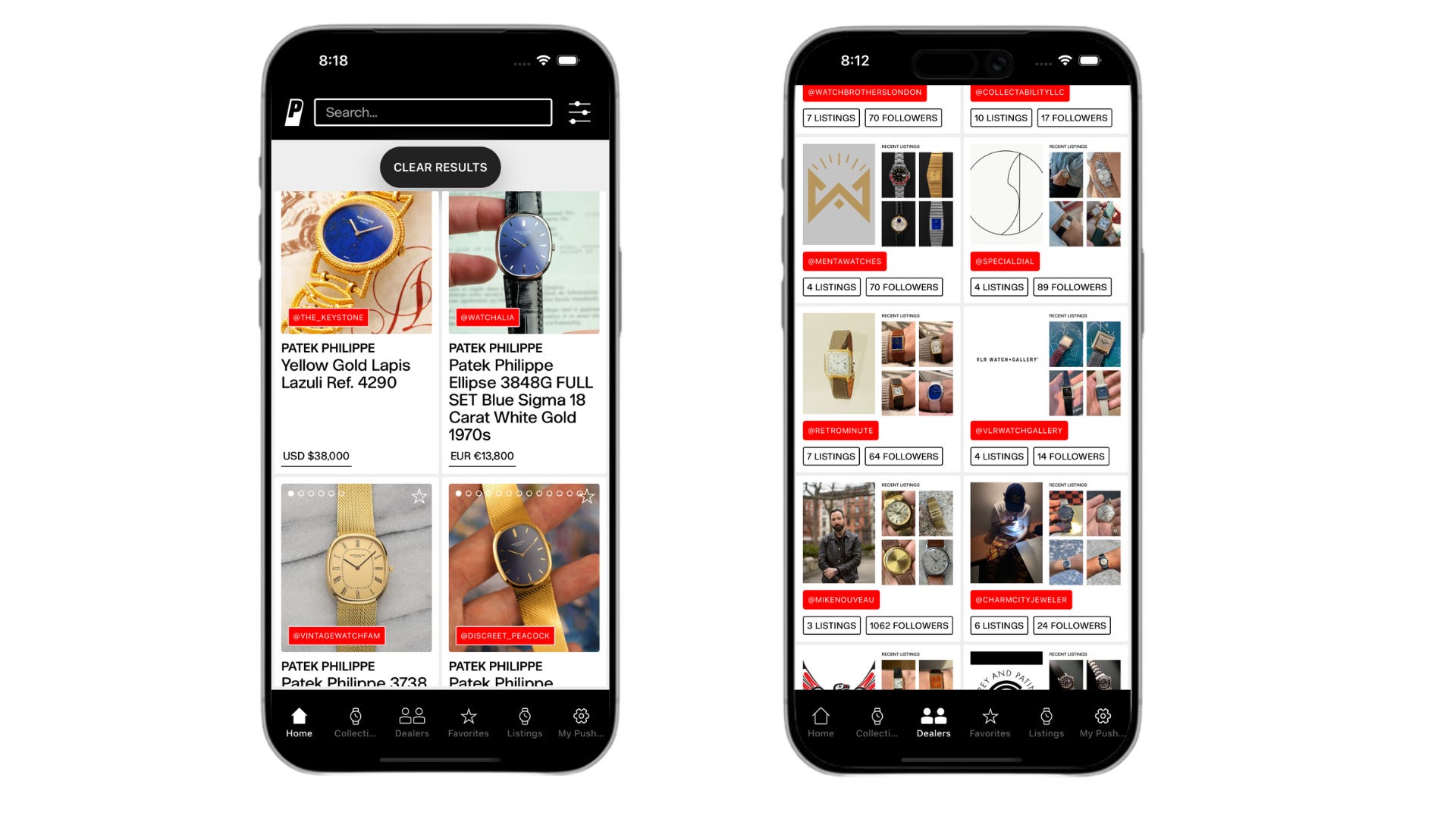
Pushers.io is the marketplace built for collectors. Every dealer is vetted (3 vouches minimum), and you deal with them directly through the app. No middleman, no buyer’s fees, no bullshit, and watches you actually want. Listings move fast, and there are new watches every time you open the app. Join nearly 10k watch enthusiasts and check out Pushers.io or download the app today.
Are you playing the game you wanna play?
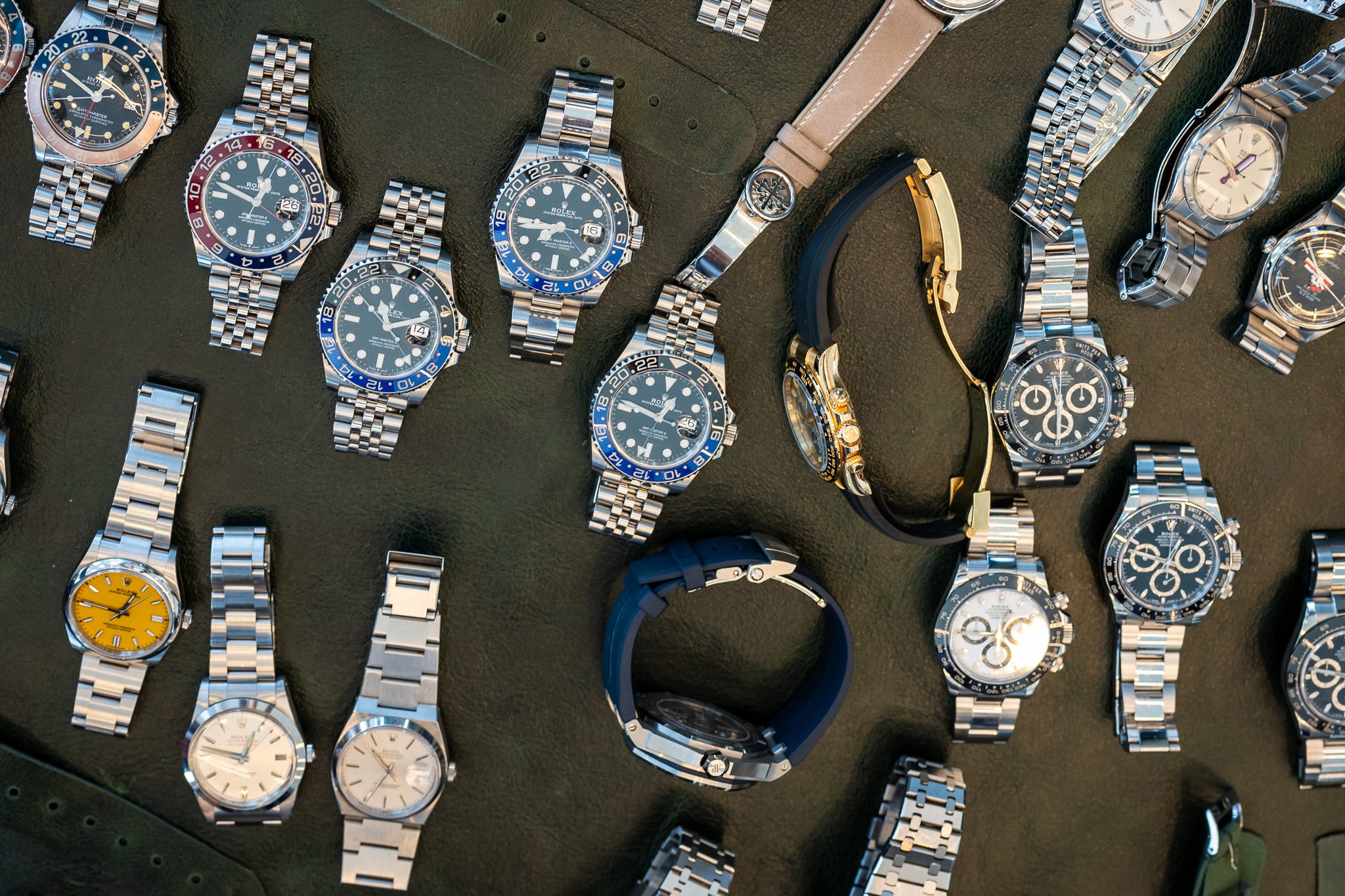
Watch “collecting” often feels like a hobby bordering on vice (the good ones always are). Around this time of year, as some of us make resolutions, perhaps in a fit of post-Christmas clarity that could make a chestnut blush, many are focused on less: be intentional, consolidate, focus on the “grails.”
Our watch box is a balance sheet that needs rebalancing. It’s something I feel. Collecting is kind of like a balloon—we’re constantly inflating or deflating our collection in search of…something.
Karaoke Collectors
“Sometimes you have to play a long time to be able to play like yourself.” —Miles Davis
The first time I heard this Miles Davis quote might’ve been from Dave Chappelle, but damn if this doesn’t apply to watches. For a while, maybe forever, we imitate other collectors. We even try on different costumes of ourselves to see what feels right. Maybe I’m describing you during all of high school or college. Does Hodinkee like this watch? Does it get likes, hold value, or get respect at the “grand urinal of life,” as New York Mag put it?
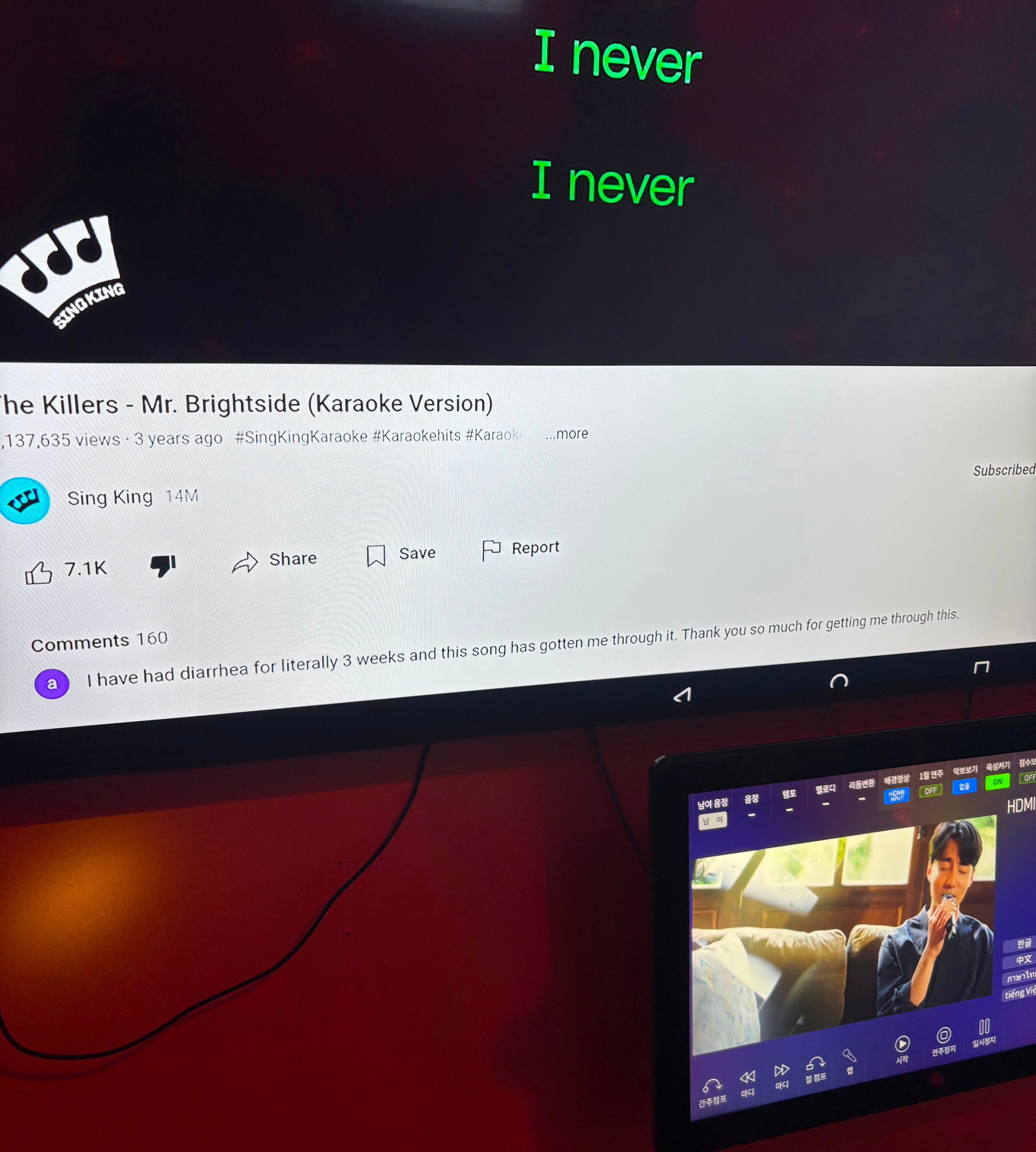
We’re karaoke collectors. Sure, we’re singing, but we’re not really playing our own music or building our own collection. We’re simply following the bouncing ball across the screen. That’s because it takes a lot to be truly comfortable with ourselves. To not imitate others, or even some other version of who we think we want to be. I’m not sure many of us ever get there. I’m not ignorant enough to say I have.
It’s why I hate the commonly-repeated “buy what you love” mantra. It asks almost nothing of us, like singing along to “Dancing Queen” (my karaoke song).
Remember the game you wanna play
A smart guy I worked with once said to me: “When it comes to collecting, you have to pick which game you wanna play.”
Remember the game you wanna play. It’s pretty decent life advice too, but let’s stick to watches. A lot of us get into watches for pure enough reasons. Often they’re complicated and not easy to pinpoint, but something we feel. To mark personal or professional milestones. Some appreciation of art, innovation, or craft. The community they can provide. Some combination of status, ego, and insecurity is probably in there too, but this is a watch newsletter, so we can stipulate that watches are special.
Along the way though, something can happen. As we begin to develop these rich, complex, and subtle values about what’s important to us, we’re also offered simpler alternatives, often things that are easy to measure. Prices, rarity, resale value, internal angles, along with the ever-present promise of likes, comments, and shares.
Sometimes, we bite. Well, I know I do. We start to trade this rich set of values for stuff that’s easier to quantify. These metrics ask us to outsource not only our values, but also thinking about those values. A shortcut to skip the messy process of figuring out what you actually care about and why you care about it, and chase numbers instead: the most expensive, the rarest, the most hours of hand-finishing.
Numbers can be helpful. They offer valuable information, and can make collecting feel more accessible. But they can also sap the human judgment out of it.
Understanding the game
I’ve been reading this new book about games. Metrics and rankings are everywhere today, so everything can feel like one. It reminds us to ask ourselves: Is this actually the game I wanna be playing?
Numbers tell us how to measure our success, how to feel about ourselves or our collections. Watch collecting can make that question uncomfortably visible. It forces us to decide what “enough” looks like—something that can drive us crazy or broke or both.
Chasing that hard-to-get indie, a doré-dial 3940, or a piece-unique Kari can all be fun games. But is that really the game you wanna be playing?
And maybe it is. I don’t think each of us needs to, like, conquer our inner demons or become some higher being or an Elightened Collector. It’s totally okay to be irrational. But it’s important to understand not only what you’re buying, but why you’re buying it. Understanding the weird mix of ego, insecurity, status, achievement, and appreciation that bubble up into a familiar feeling:
I want that.
Playing a different game
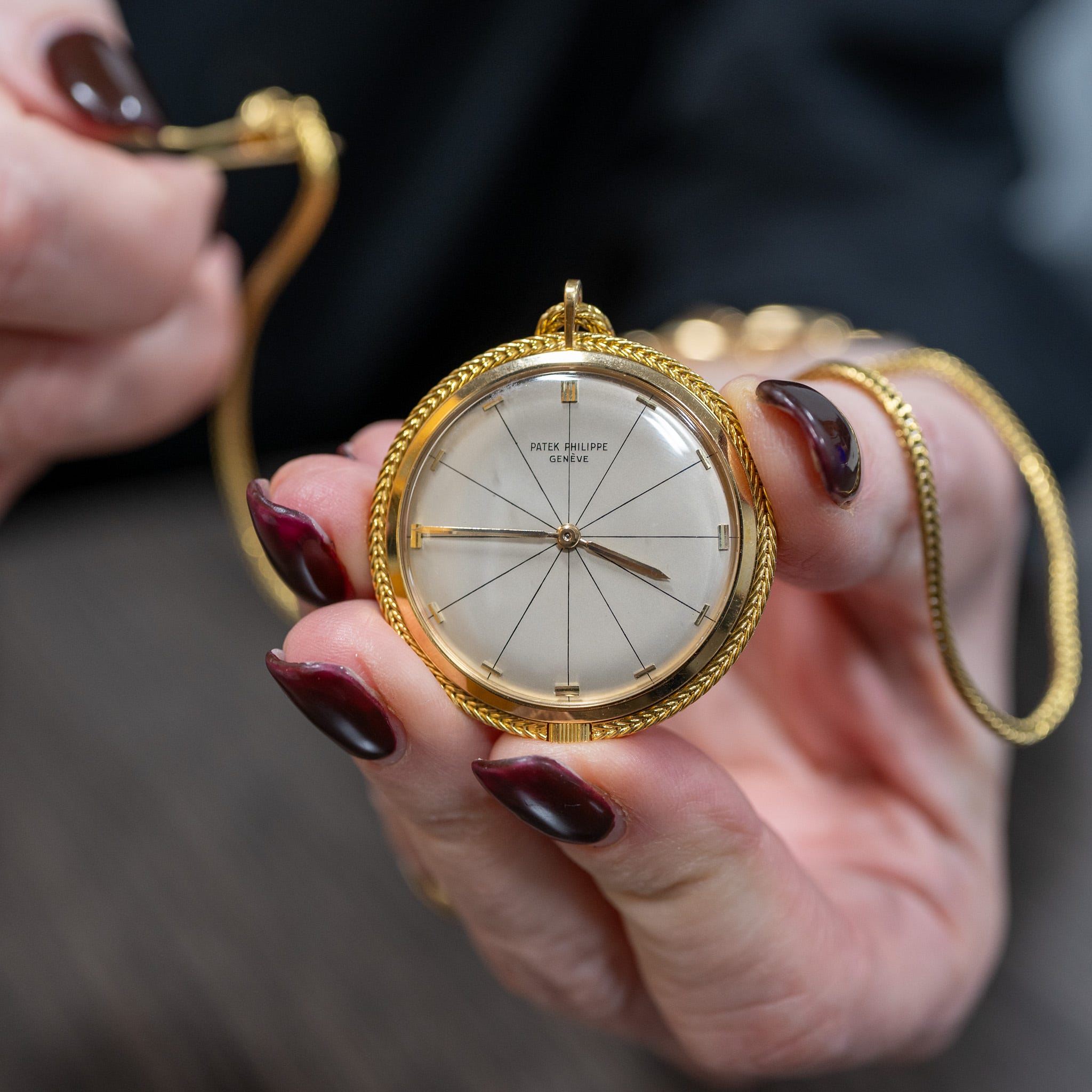
If you are trying to step back from the game, a couple of techniques I’ve been working on:
